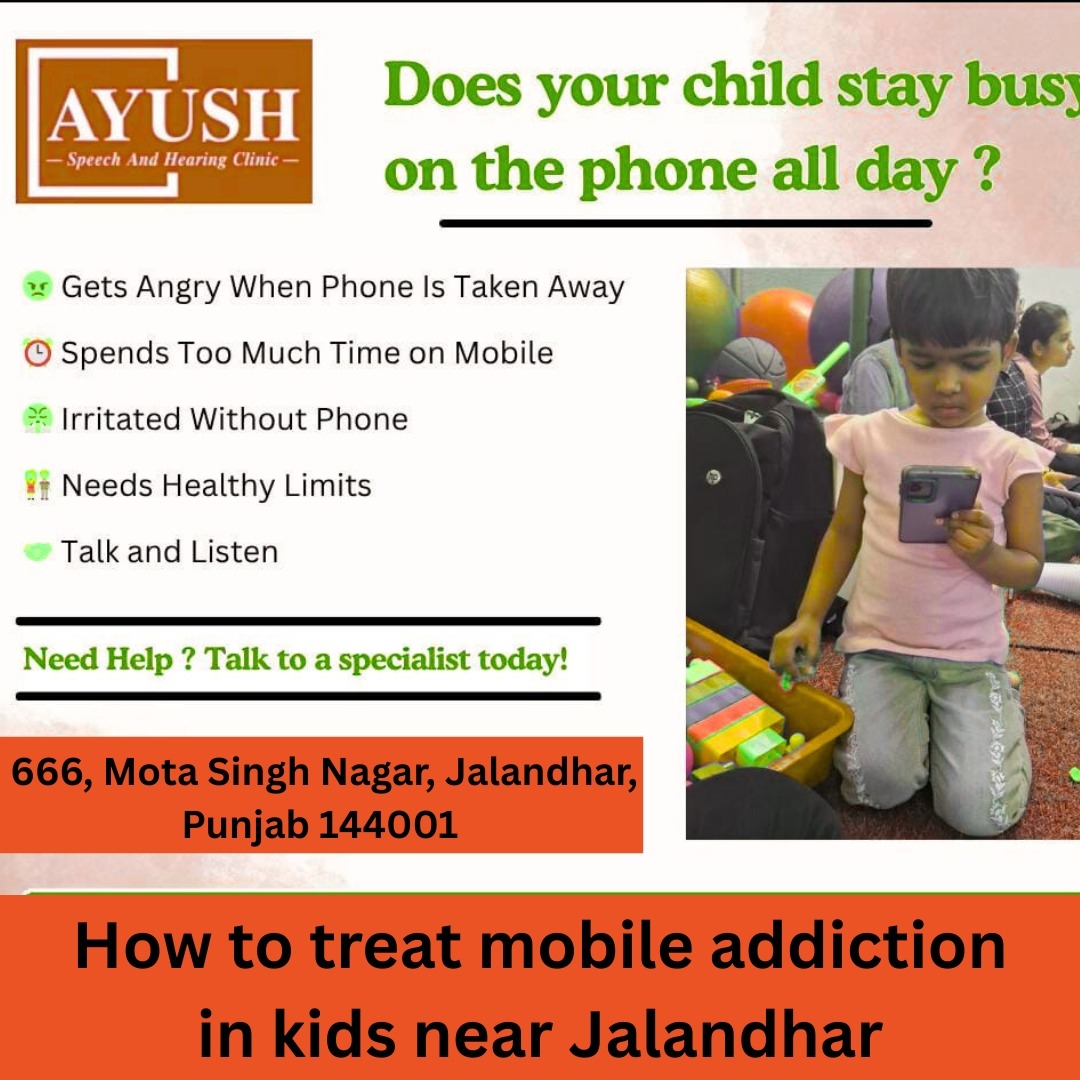
Is Your Child Addicted to Screens?
How to reduce screen time in children naturally at home
In today’s digital age, smartphones, tablets, TVs, and computers have become a major part of every child’s daily routine. Since the rise of online classes and easily accessible digital content, children are spending more time in front of screens than ever before. But have you noticed your child becoming anxious or irritable without a screen? Are they spending excessive hours watching YouTube or playing mobile games? If yes, your child may be experiencing Screen Addiction.
What is Screen Addiction?
Screen addiction refers to a child’s over-dependence on digital screens — mobile phones, TVs, computers, tablets — to the extent that they find it difficult to function without them.
Signs of Screen Addiction in Children
Constant Need for Screen Time – Asking for the phone or TV even while eating, studying, or just waking up.
Irritability or Tantrums – Getting angry, crying, or throwing tantrums when the screen is taken away.
Lack of Interest in Social Activities – Not showing interest in playing with friends or talking with family members.
Sleep Disturbance – Watching screens late at night and having trouble falling asleep.
Poor Concentration – Difficulty focusing on studies, homework, or everyday tasks.
Disinterest in Meals – Wanting screens while eating or refusing to eat without watching videos.
Causes of Screen Addiction
Easy access to mobile phones and the internet
Highly stimulating content on YouTube and video games
Lack of supervision or parental involvement
Using devices to calm down or entertain the child
Therapies for screen addiction in kids in India
Negative Effects of Screen Addiction
Mental Health Issues – Increased risk of anxiety, depression, and emotional instability.
Physical Health Problems – Eye strain, headaches, fatigue, obesity, and posture problems.
Social Skill Deficits – Difficulty expressing feelings, making friends, or participating in group activities.
Poor Academic Performance – Declining interest in schoolwork and falling grades
Does my child spend more than 1–2 hours daily on a screen (excluding schoolwork)?
Does he/she become restless, angry, or anxious without access to a phone or TV?
Have their eating and sleeping habits changed due to screen use?
Do they seem more connected to the virtual world than the real one?
If the answer to most of these is "Yes," your child may be at risk of screen addiction.
How to Prevent or Reduce Screen Addiction
1. Set Screen Time Limits
Fix daily screen time. For children aged 2–5 years, the World Health Organization (WHO) recommends no more than 1 hour of screen time per day.
2. Offer Engaging Alternatives
Introduce puzzles, coloring books, craft kits, indoor games, or storytelling sessions to keep your child mentally active.
3. Encourage Outdoor Activities
Take your child to parks, encourage cycling, ball games, or running – physical movement reduces screen cravings naturally.
4. Spend Quality Family Time
Talk, laugh, and play games with your child. Children feel less dependent on screens when they receive attention and emotional connection.
5. Create Screen-Free Zones
Make areas like the dining table and bedrooms “No Screen” zones to encourage real conversations.
6. Schedule Screen-Free Hours
Have designated times during the day (especially 1–2 hours before bedtime) when no one uses screens — not even parents!
What Parents Can Do
Be a role model — reduce your own screen time so your child follows your example.
Introduce a “Digital Detox Day” once a week — a day without any screens for the whole family.
Monitor what your child is watching — choose age-appropriate, educational content if needed.
Use parental controls and screen timers to restrict access to certain apps or websites.
Therapies That Help with Screen Addiction
Play Therapy – Helps children express their thoughts and feelings through toys and creative activities.
Behavior Therapy – Teaches children how to manage impulses, behavior, and routines.
Speech Therapy – Supports communication and social interaction development, especially if delays are observed.
Occupational Therapy – Enhances motor, sensory, and cognitive skills and improves daily functioning.
Parent Training Programs – Teach parents how to guide children in creating healthy screen habits.
Signs and solutions for mobile addiction in toddlers
Conclusion
Screen addiction is a growing concern in modern families, but the good news is — it’s preventable and manageable. As parents, caregivers, and educators, we must guide children toward a balanced life filled with learning, play, emotional bonding, and healthy routines.
A screen can never replace the warmth of a hug, the joy of outdoor play, or the creativity of storytelling. Let’s give our children the right start by teaching them to use it wisely.