What is Intellectual Disability (ID)? Causes, Types & Support | Child Neurotherapy Clinic
Learn about Intellectual Disability (ID) – its types, causes, symptoms, diagnosis, and support strategies. Discover how early intervention improves independence and quality of life.
What is Intellectual Disability (ID)?
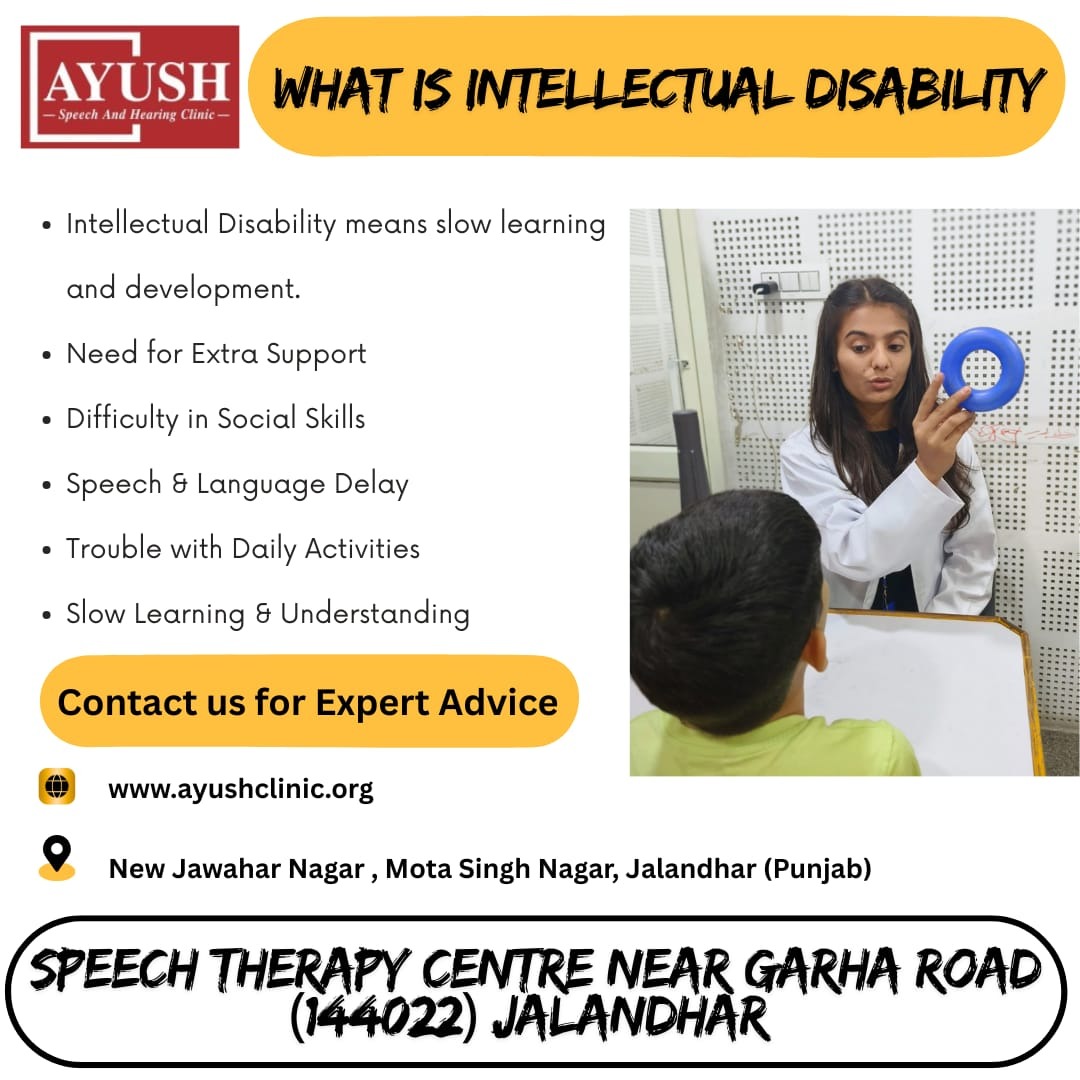
Intellectual Disability (ID), previously referred to as mental retardation, is a neurodevelopmental disorder. It is defined by significant limitations in both intellectual functioning and adaptive behavior, affecting essential life skills such as communication, self-care, and social interaction.
Key Features of Intellectual Disability
1. Intellectual Functioning
This affects learning, reasoning, and problem-solving skills.
2. Adaptive Behavior Limitations
Adaptive behavior refers to an individual's ability to cope effectively with everyday tasks. ID impacts three key skill areas
Conceptual Skills
Reading, writing, math, and language comprehension.
Practical Skills
Self-care, daily routines, and personal hygiene.
Social Skills
Building relationships, social interaction, and understanding rules.
Onset During Developmental Period
Symptoms of ID usually begin before the age of 18, often evident in early childhood.
Understanding Levels of Intellectual Disability
ID is typically classified into four levels based on IQ score and support needs
Mild ID
Slightly below-average IQ
Difficulty with complex academic concepts
Can learn basic life skills and work-related tasks with some support
Moderate ID
Low IQ
Limited language and academic skills
Needs consistent support for daily activities and employment
Severe ID
IQ score around 22–34
Minimal academic ability and speech
Requires lifelong assistance and structured support
Profound ID
IQ below 20
Minimal communication skills
Completely dependent on others for daily living
Causes & Risk Factors of Intellectual Disability
1. Socioeconomic Factors
Limited access to education, nutrition, and healthcare due to poverty can increase the risk of ID.
2. Environmental Factors
Prenatal exposure to toxins, infections, or birth complications can affect brain development.
3. Genetic Conditions
Some genetic syndromes are directly linked to ID, including
Down Syndrome
Fragile X Syndrome
Prader-Willi Syndrome
Diagnosis of Intellectual Disability
Accurate diagnosis involves
Clinical Evaluations: Assessing cognitive and adaptive functioning
Standardized Testing: IQ tests and behavioral assessments
Developmental History: Reviewing early milestones and delays
Support and Accommodations for Individuals with ID
Individualized Support Plans
Tailored programs help individuals develop skills and confidence, including:
Behavioral therapy
Special education support
Job training programs
Residential or home-based assistance
Use of Assistive Technology
Devices and adaptive tools help individuals perform daily tasks and improve communication.
Importance of Inclusion & Support
1. Promotes Independence
Right support enables individuals to participate in daily life and community activities.
2. Improves Quality of Life
Effective interventions enhance emotional well-being and daily functioning.
3. Fosters Social Inclusion
Inclusive practices reduce stigma and ensure dignity, respect, and equal opportunities for individuals with ID.
✅ Final Thoughts
Intellectual Disability (ID) is not a disease—it's a condition that requires understanding, early intervention, and long-term support. By recognizing the needs of individuals with ID and providing inclusive environments, we can empower them to live meaningful, fulfilling lives with dignity and independence.
Causes of intellectual disability in children in Jalandhar
Types of intellectual disability with IQ levels in Jalandhar
What is intellectual disability in child development?
signs of intellectual disability in early childhood in jalandhar
support services for children with intellectual disability
How to identify intellectual disability in kids