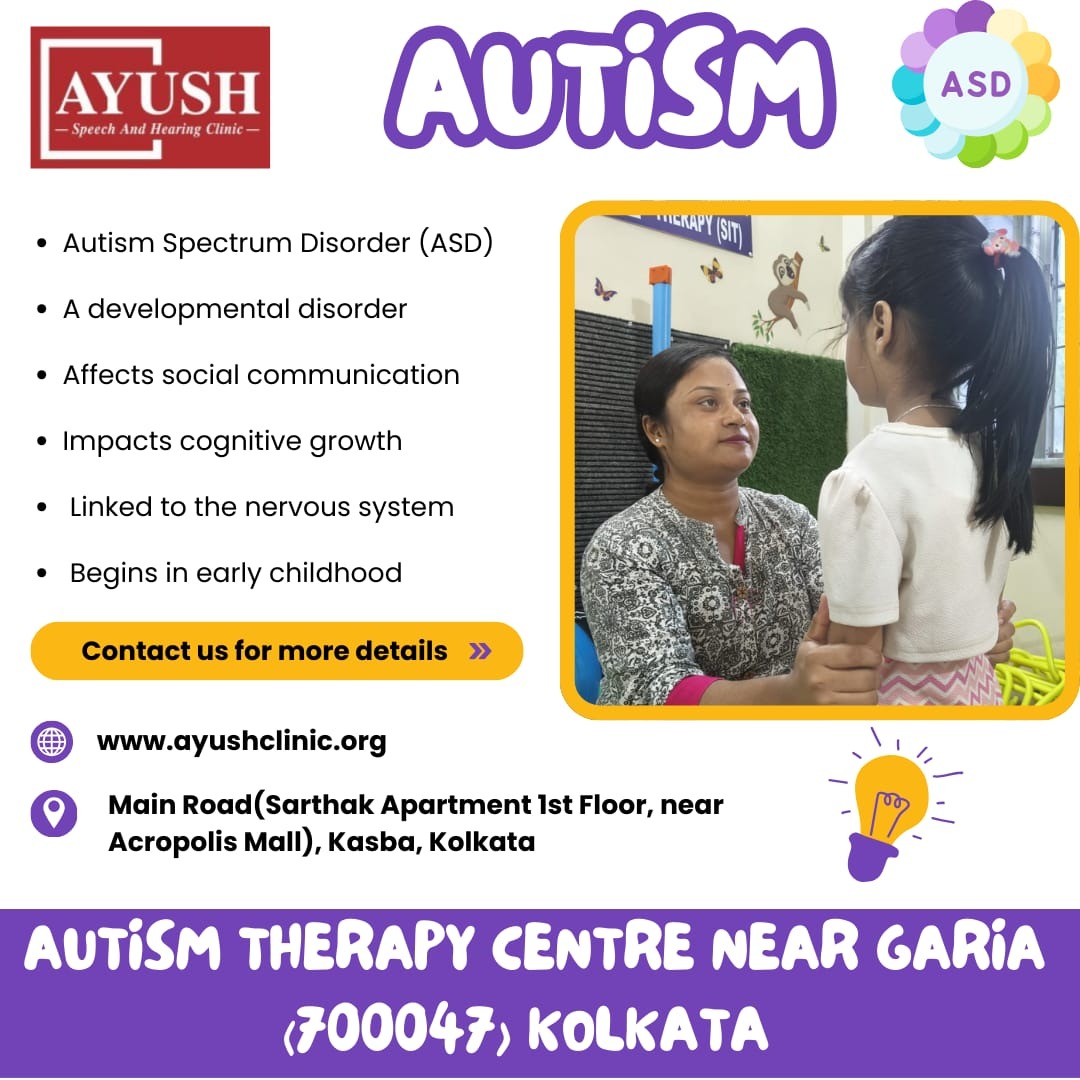
Autism Spectrum Disorder (ASD)
Symptoms of Autism Spectrum Disorder
Delayed speech development, or in some cases, complete absence of speech.
Some children speak in a singsong voice or use a robotic tone.
Repetitive or unusual body movements.
Sensitivity to loud sounds or bright lights.
Difficulty in social interactions and communication.
Selective eating habits or resistance to certain foods.
Poor attention span, such as not responding when their name is called.
Sudden or unexplained laughter, often while daydreaming or imagining things.
Causes of Autism Spectrum Disorder
Weak or compromised immune system.
Low birth weight.
Exposure to air pollution during pregnancy.
Advanced maternal or paternal age.
Premature delivery.
Irregularities in brain structure and function.
Maternal diabetes during pregnancy.
Postnatal complications.
Age of Onset
Signs of autism typically begin to appear between 12 and 14 months of age.
Effects of Autism Spectrum Disorder
Difficulty expressing needs and understanding spoken language.
Struggles with initiating conversations or making new friends.
Dependence on others for basic activities like dressing or brushing.
Challenges with motor skills, such as riding a bicycle or gripping objects.
Trouble regulating emotions, which may lead to sudden behavioral outbursts.
Treatment Options for Autism Spectrum Disorder
1. Behavioral Therapies
Sensory Integration Therapy (SIT)
Applied Behavior Analysis (ABA)
2. Specialized Therapies
Speech Therapy (ST)
Occupational Therapy (OT)
3. Dietary Interventions
Nutritional adjustments and balanced diets may help improve overall health and behavior.
ASD Levels
Level 1: Requiring Support
Children may have noticeable challenges in social communication but can function with minimal support.
Level 2: Requiring Substantial Support
At this level, social communication, interaction, and repetitive behaviors are more prominent. Children need regular and structured assistance.
Level 3: Requiring Very Substantial Support
Children show significant struggles in both communication and daily functioning. They require continuous and intensive support to manage everyday life and interactions.