What is Intellectual Disability in Children? | Early Signs, Causes & Therapy
Learn about Intellectual Disability (formerly known as Mental Retardation) in children. Identify early signs, behavioral issues, and delayed milestones & get expert therapy advice—book with a child development therapist today.
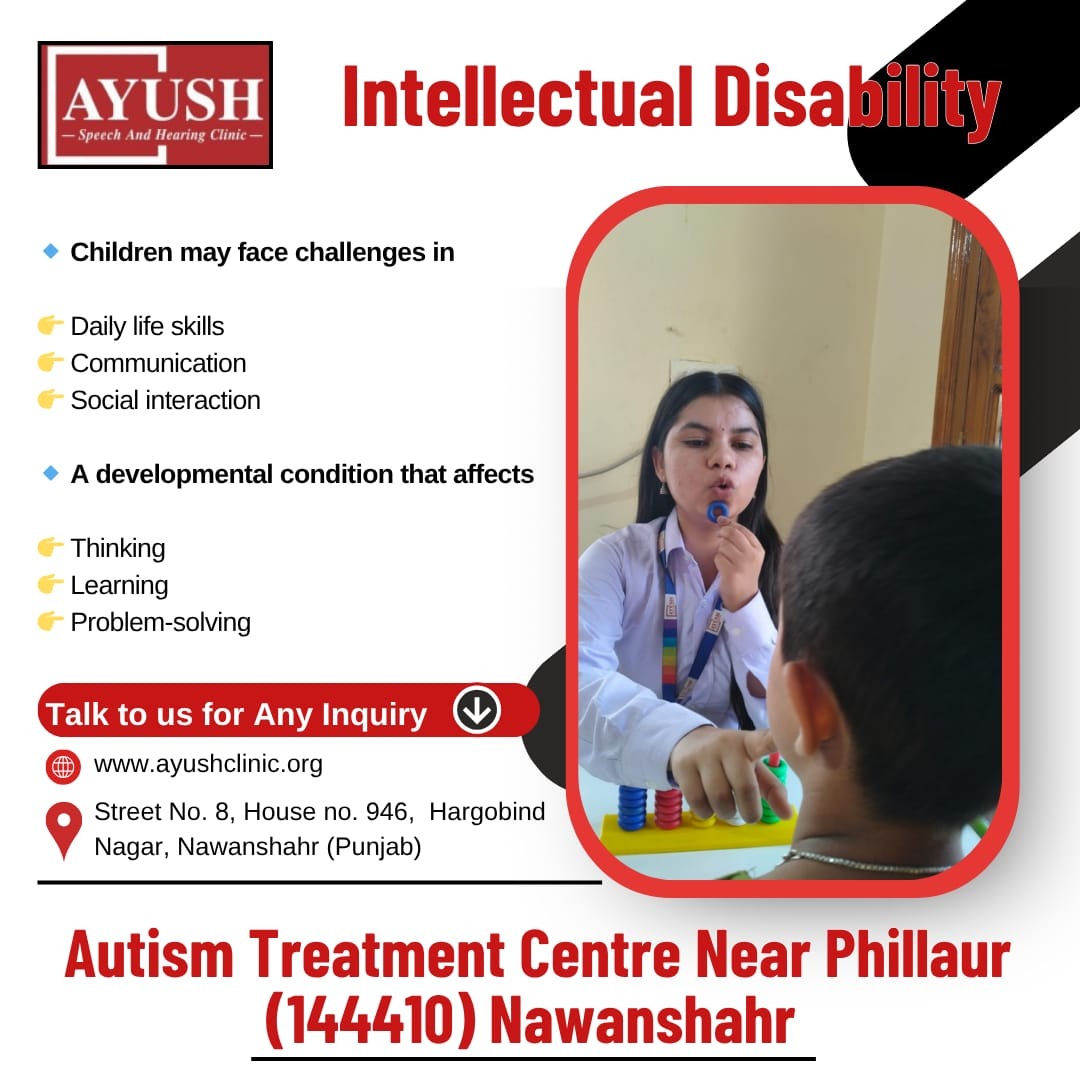
Intellectual Disability, also known as Mental Retardation, is a condition where a person's intellectual functioning is significantly below average for their age. Each individual has their level of intelligence, but when a child's mental development is slower than expected for their age, it is referred to as an Intellectual or General Learning Disability.
Many parents may not initially recognize that their child is falling behind in school or not grasping concepts as quickly as peers. They often assume that the child will improve with age. However, this delay can worsen over time, affecting the child’s learning, school participation, and social adjustment.
Early identification and intervention can help the child develop skills and adapt better in the future.
(developmental milestones delay)
Early Signs of Intellectual Disability
1. Delayed Physical Development
If a child does not develop neck control by 3 to 5 months, or does not start sitting by 8 months or standing by 11–12 months, it could be a sign of delayed development.
Parents should consider evaluation by a developmental specialist if these milestones are not met by one year.
(speech delay in toddlers, language development issues)
2. Delayed Language Development
(Social interaction delay in babies)
3. Lack of Social Smile
By 6 months, babies typically smile in response to familiar faces. If a child doesn't smile or respond socially, it might indicate a developmental concern.
(Behavioral problems in children with ID)
4. Behavioral Issues
Unusual behavior such as laughing without reason, restlessness, poor sleep, or frequent daydreaming or smiling alone can be signs of intellectual or neurological.
5. Self-Hitting or Inability to Recognize Danger
(Keyword: self-injurious behavior in children)
If a child hits themselves or others and fails to recognize danger, it may indicate poor risk awareness and a serious developmental issue.
(cognitive delay in kids, inability to point or recognize objects)
6. Poor Cognitive Skills / Poor Imitation / Lack of Pointing
Children with low cognitive ability often fail to recognize objects or respond to simple questions like 'Where is the apple?' They cannot imitate actions, follow basic gestures, or remember recent instructions. This is often due to a very low IQ or understanding.
7. Poor Daily Routine and Self-Help Skills
(Daily living skills delay in children)
Many children with intellectual disabilities are fully dependent on their parents for toilet training, brushing their teeth, dressing (buttoning and unbuttoning), or wearing shoes. If a 3- to 4-year-old cannot perform these basic tasks independently, it may indicate a developmental concern.
Intellectual Disability Therapy in Nawanshahr
-
Speech Therapy for Children in Nawanshahr
-
Child Development Center in Nawanshahr
-
Early Intervention Services in Nawanshahr
Final Message
If you observe any of these signs in your child, do not delay. Consult a Speech Therapist or a Child Development Therapist immediately. Early intervention is crucial.