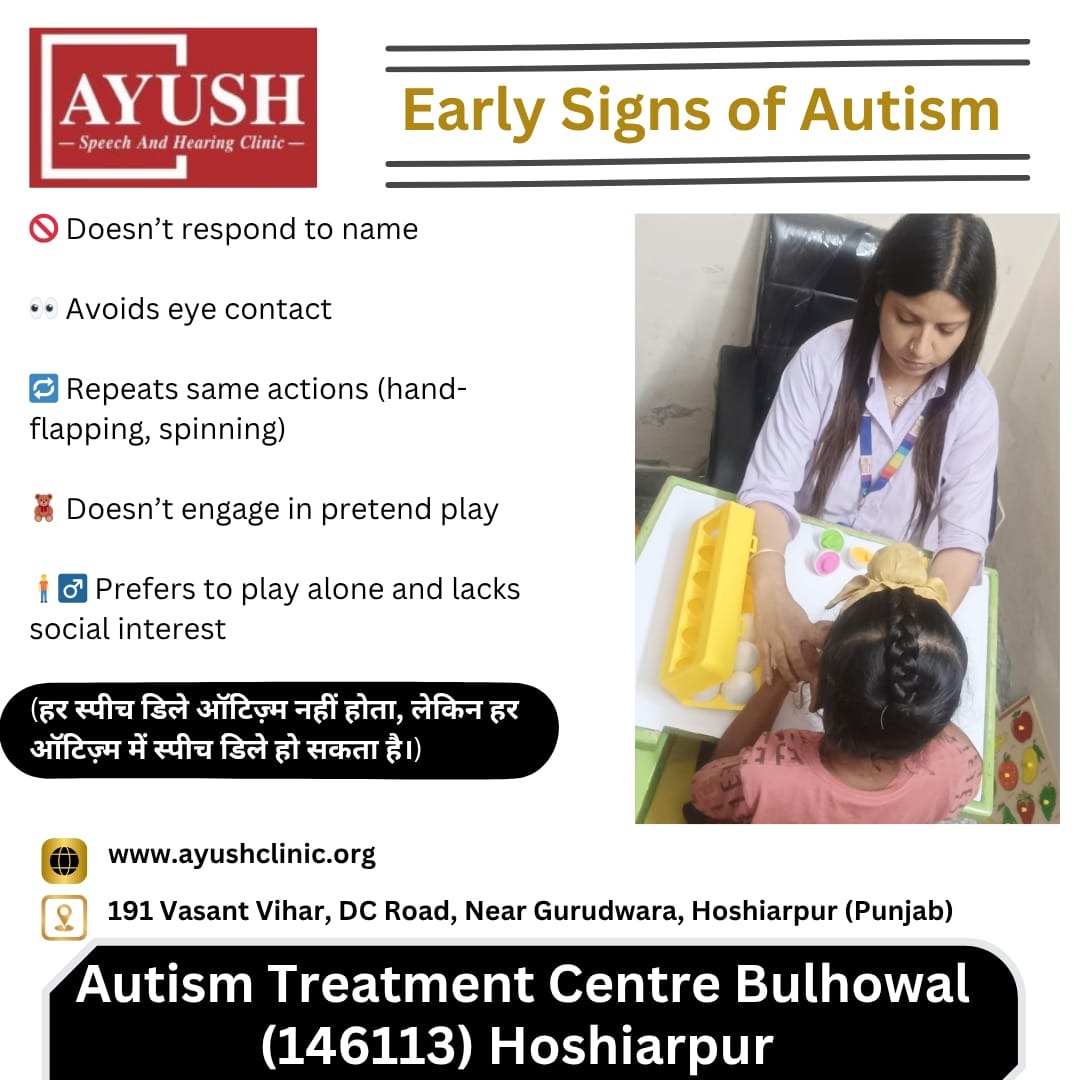
Speech Delay or Autism? Know the Signs in 2–3 Year Olds | Free Assessment Available
Is It Just Speech Delay or Autism? Signs to Know in 2–3 Year Old Children
Is your 2– to 3–year–old child not talking yet? Learn how to identify whether it's just speech delay or early signs of autism. Free online and offline assessment available
If your child is 2 or 3 years old but still not speaking, it’s natural to feel concerned. Many parents start searching online to understand why their child isn’t talking. Often, the first result they come across is autism, which creates fear and confusion
Is it just a speech delay, or is it autism?
Let’s help you understand the difference. There are clear signs that help identify whether your child is simply experiencing a speech delay or showing signs of autism.
Is It Always Autism If a Child Has a Speech Delay?
Just because a child is not speaking does not necessarily mean they have autism. In autism, communication skills are often deeply impacted. But in many cases, a child may have a language delay without any other developmental issues.
Let’s look at a few key differences that can help clarify whether it’s autism or just a speech delay.
5 Signs That Suggest Speech Delay (Not Autism)
1. Social Play
Watch how your child plays. A neurotypical child (even with speech delay) will:
Try to play with others (adults or kids)
Share toys during play
Pull you into their games (e.g., bring a bat and ask you to bowl or bat with them)
In contrast, children with autism often:
Prefer playing alone
Do not engage in interactive or pretend play
Avoid group activities
2. Gestures and Pointing
A child who is not talking may still:
Point at what they want (e.g., chocolate or a toy)
However, children with autism often:
Do not point to indicate needs
May pull adults, but without using gestures or eye contact
3. Imitation Skills
A 2-year-old with a speech delay typically
Imitates adult actions (clapping, waving, raising hands)
Copies movements and gestures during play
Autistic children usually:
Do not imitate adult behavior
Show little interest in copying others
4. Name Response and Eye Contact
A typically developing child should
Respond when you call their name
Maintain eye contact during interaction
Children with autism often:
Do not respond to their name consistently
Avoid eye contact, even when spoken to directly
5. Interest in Social Interaction
Even without speaking, a 2.5-year-old child will
Try to mix with family members and peers
Seek out a company and share play
Children with autism generally
Prefer to be alone
Avoid or ignore social interaction
Speech Delay or Autism? When to Seek Help
If you notice any of the above positive signs, it's likely your child has a speech delay, not autism.
However, if your child shows multiple red flags, such as a lack of pointing, imitation, eye contact, or social play, it’s best to get a professional assessment done early.
Free Autism and Speech Delay Assessment Available
At Ayush Speech and Hearing Clinic, we offer free assessments to help parents understand their child’s developmental needs.
We provide both online and offline consultations, so you can connect from anywhere.
🧠 Don’t wait or worry silently. Early detection and the right therapy can make a big difference.
📞 Contact us today for a free screening!
The difference between speech delay and autism in toddlers in Hoshiarpur
Is it speech delay or autism in 2 year 2-year-old
Signs of speech delay vs autism in 3 year 3-year-old child
How to identify autism in a child with speech delay in Hoshiarpur
Does speech delay mean autism in toddlers in Hoshiarpur